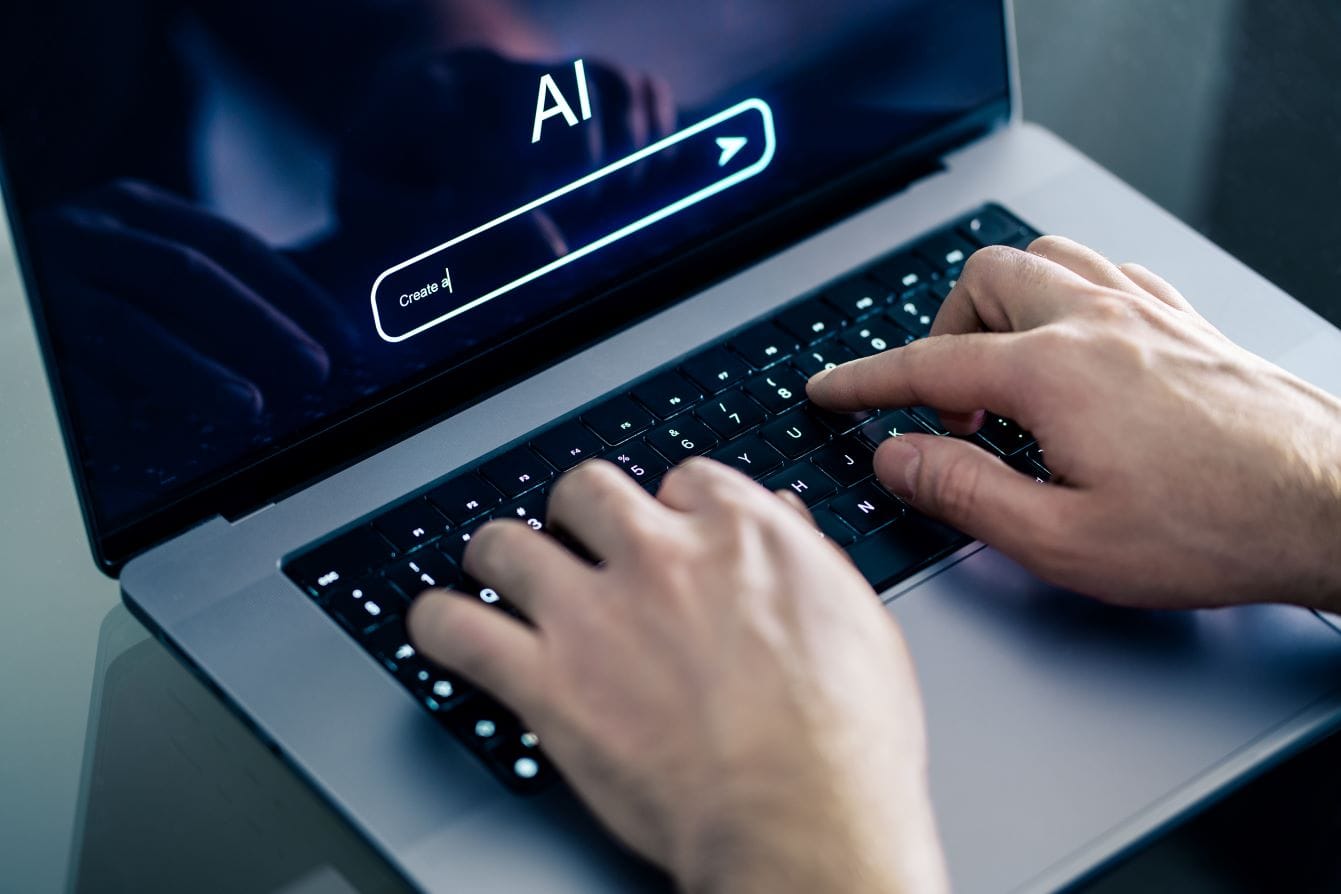
Artificial intelligence (AI) is transforming Internet usage across the globe. The rise of AI-powered technology use is shifting how we interact with the Internet, shaping our online experiences, and changing our digital communication, entertainment, shopping, and work.
One of the most visible ways AI impacts Internet users is through personalized experiences. Algorithms can analyze vast amounts of user data to create tailored experiences. Social media platforms, for example, use AI to recommend content that matches users’ preferences based on past behaviors, interests, and interactions. Streaming services like Netflix and YouTube suggest movies and videos based on viewing history, keeping users engaged longer. This personalization not only enhances user satisfaction but also increases the time spent online, expanding user engagement with platforms.
Online shopping is another area where AI is reshaping user experiences. Retailers like Amazon leverage AI to predict products that users may be interested in purchasing. Using purchase history and browsing data, AI can generate highly accurate recommendations that increase retention and customer satisfaction. Chatbots are increasingly used for customer service, offering quick support for users. These intelligent systems can answer common questions, process transactions, and even resolve complex issues, all while improving the efficiency and availability of services.
AI is also revolutionizing the way search engines function. Google, for instance, has incorporated AI technologies to improve search results. By understanding the intent behind search queries more accurately, AI ensures that users receive more relevant results. This advancement has dramatically improved how users interact with search engines, making the process more intuitive and efficient. Voice search powered by AI assistants like Siri, Alexa, and Google Assistant has also transformed the way users access information, which is rapidly becoming mainstream in everyday life.
Additionally, AI is enhancing Internet security, helping users to protect their privacy and data. Machine learning algorithms can detect suspicious behavior patterns and identify potential security threats in real-time. Cybersecurity companies use AI to build intelligent systems that can predict, detect, and neutralize cyberattacks before they cause damage. These systems are especially important as the frequency and sophistication of cyberattacks continue to increase. From email phishing to data breaches, AI-powered security tools help keep users’ sensitive information safe, ensuring a more secure online environment.
However, AI’s growing presence also raises concerns for Internet users. Privacy and data security are top concerns, as AI systems require vast amounts of data to function effectively. The collection, storage, and analysis of personal data can lead to privacy violations and the potential misuse of sensitive information. Users may unknowingly share large amounts of personal data with online services, leaving them vulnerable to exploitation or even surveillance. In addition, the rise of deepfakes—AI-generated images and videos that appear realistic but are fake—raises the possibility of misinformation and manipulation, further complicating the Internet environment.
Another challenge is the potential for AI-driven content filtering to create filter bubbles, where users are only exposed to content that aligns with their existing beliefs and interests. This can limit the diversity of information available to users, contributing to echo chambers and polarizing opinions.
In conclusion, AI is undoubtedly reshaping the digital experience for Internet users, offering conveniences and improvements in personalization, e-commerce, search functionality, and security. However, the potential downsides—such as privacy concerns and misinformation—highlight the need for guidelines and regulations to ensure that AI serves the best interests of Internet users while minimizing risks. As AI continues to evolve, its impact on Internet users will only grow, offering both challenges and opportunities for the future.
If you are looking to enhance your Internet experience with the help of AI, adding our whole-home Wi-Fi solution, D & P Connect Premier, to your service can allow you to efficiently manage your home network. This provides advanced features like device monitoring, bandwidth allocation, and security settings. With this system, you can optimize network performance, prioritize traffic for specific devices, and enhance overall control over your home’s Internet connectivity.
Faster Connections, Local Roots. Better Service.